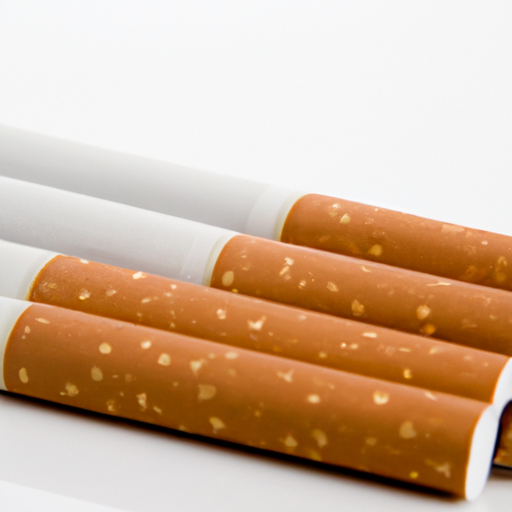
As a smoker living in the UK, I can recall the first time I tried a cigarette. I was in my teenage years and it was a rebellious act, something to make me feel cool and independent. Little did I know, that one seemingly innocent cigarette would lead to a lifetime of addiction and countless struggles. The topic of cigarettes in the UK is a controversial and complex one, with many different perspectives and factors to consider. In this article, I will share my personal experiences and observations, as well as explore the history, regulations, and impact of cigarettes in the UK.
The UK has a long and complicated history with tobacco. It is believed that the first tobacco leaves were introduced to Europe in the late 15th century by the explorer Christopher Columbus. From there, tobacco use spread quickly across the continent, with the first recorded instance of smoking a tobacco leaf in the UK in 1573. In the following centuries, smoking became widely popular among the upper class, with many high-ranking individuals using it as a status symbol. Cigarettes as we know them today, with paper tubes and filters, were first introduced in the mid-19th century and quickly gained popularity due to their convenience and ease of use.
As someone who has been a smoker for many years, I have witnessed first-hand the changes in attitudes and regulations towards cigarettes in the UK. When I first started smoking, it was a socially acceptable habit. Smoking in public places such as restaurants, bars, and even on public transportation was not only allowed but also quite common. However, in recent years, there has been a significant shift in public opinion and government policies towards smoking. The introduction of the smoking ban in 2007, which prohibited smoking in all enclosed public places, was a turning point in the UK’s attitude towards cigarettes. As a smoker, I admit that the ban was frustrating at first, but as time passed, I began to understand the reasoning behind it.
One of the main reasons for the smoking ban was the health risks associated with secondhand smoke. As a non-smoker, I can understand why this is a concern for many people. The idea that my habit may be harming those around me has led me to be more considerate of where and when I smoke. It has also prompted me to think about my own health and the risks I am taking by smoking. According to the UK National Health Service, smoking causes numerous health problems, including lung cancer, heart disease, and respiratory illnesses. As a smoker, I constantly battle with this knowledge, but the addiction is something that is not easily overcome.
The UK government has also taken steps to discourage smoking through various measures. One of these includes the implementation of graphic and warning labels on cigarette packs. As a consumer, it can be quite shocking to see the images and warnings on the packaging, but ultimately, it serves as a reminder of the potential consequences of smoking. Another measure is the continuous increase in taxes on cigarettes, making them more expensive and less accessible. Although this may be frustrating for smokers, it is a strategy to reduce the number of people who start smoking, especially among young people.
Speaking of young people, the UK also has strict regulations when it comes to the sale and marketing of cigarettes to minors. It is illegal to sell cigarettes to anyone under the age of 18, and retailers are required to check IDs of anyone who appears to be under the age limit. As someone who started smoking as a teenager, I can say with certainty that these regulations are beneficial. When I first started smoking, cigarettes were readily available and easy to purchase. In today’s society, with so many barriers put in place, I believe it is much more difficult for young people to start smoking. Of course, this is not to say that there are no underage smokers in the UK, but I believe these regulations have made a significant impact in preventing young people from picking up this harmful habit.
Despite the numerous efforts to discourage smoking in the UK, there is still a large number of smokers in the country. According to recent statistics, approximately 15% of the UK’s population are regular smokers. This number may seem small, but when you consider that it translates to around 9 million people, it is alarming. As a smoker, it is difficult for me to imagine quitting completely, but I do try to limit my smoking habits and be more mindful of the impact it has on myself and those around me. Additionally, there are numerous resources available to help smokers quit, such as nicotine replacement therapies, support groups, and smoking cessation programs.
Aside from the health concerns and government regulations, cigarettes have also had a significant impact on the economy in the UK. The tobacco industry is one of the largest in the country, generating millions of pounds in revenue and providing employment for many people. However, this comes at a cost, as healthcare costs and productivity losses due to smoking-related illnesses also take a toll on the economy. The debate on whether the revenue generated by the tobacco industry outweighs the costs of smoking on the economy is ongoing, but it is important to consider all aspects when discussing the impact of cigarettes.
In conclusion, cigarettes in the UK are a complex and multifaceted issue. As someone who has been a smoker for many years, I have seen the evolution of attitudes and regulations towards smoking. While I understand the concerns and efforts to discourage smoking, it is a personal struggle to overcome the addiction. As a country, the UK has made significant strides in reducing the prevalence of smoking, but there is still much work to be done. Only time will tell how the relationship between the UK and cigarettes will continue to evolve. As for me, I will continue to grapple with my own addiction and hope for a future where cigarettes are no longer a prominent presence in society.