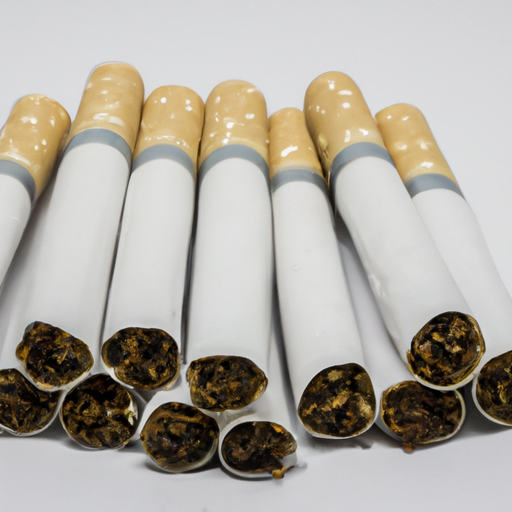
As a long-time smoker living in the United Kingdom, I have seen firsthand the impact that cigarettes have had on individuals and society as a whole. From the addictive properties to the health consequences, cigarettes have been a hot topic for decades. In this article, I will explore the world of cigarettes in the UK, covering topics such as the history of smoking, current regulations and laws, and the future of tobacco in the country.
History of Smoking in the UK
Smoking has been a part of human culture for centuries, dating back to ancient civilizations. However, it wasn’t until the European colonization of the Americas in the 16th century that tobacco first arrived in the UK. Initially, smoking was considered a luxury activity, mainly enjoyed by the wealthy elite. However, with the growth of industrialization and the decrease in the cost of tobacco production, smoking became more accessible to the general public.
In the 19th and early 20th centuries, smoking became more widespread and socially acceptable. It was even considered a fashion statement, with cigarette cases and holders becoming popular accessories. It wasn’t until the mid-20th century that the dangerous health effects of smoking began to be recognized. Still, it wasn’t until the 1960s that the UK government took significant action to control smoking.
Current Regulations and Laws
In the UK, smoking is governed by a set of regulations and laws aimed at protecting public health. The most substantial regulation is the Smoking Ban, which was introduced in 2007. This ban prohibits smoking in enclosed public places, workplaces, and vehicles. The ban was extended in 2015 to include indoor e-cigarettes. It is estimated that the Smoking Ban has led to a significant reduction in the number of smokers, as well as an improvement in air quality in public spaces.
In addition to the Smoking Ban, the UK also has additional regulations in place, such as the ban on tobacco advertising and the display of tobacco products in shops. Tobacco taxes also play a significant role in controlling smoking in the UK, as they are significantly higher than in other European countries. These high taxes have been shown to be effective in reducing the number of smokers, particularly young people.
The Future of Tobacco in the UK
As we look towards the future, it is evident that the UK is moving towards a society free from the harm caused by tobacco. The government’s goal is to make the UK smoke-free by 2030, and significant steps have already been taken towards achieving this goal. In 2020, the Department of Health and Social Care published an evidence-based Tobacco Control Plan, outlining the steps that need to be taken to make this goal a reality.
One of the key strategies outlined in the plan is to encourage and support smokers to quit. This is achieved through various means, such as providing access to smoking cessation services and promoting the use of nicotine replacement therapies. The plan also includes measures to reduce the number of young people who start smoking, such as stricter enforcement of the ban on selling cigarettes to anyone under the age of 18.
However, there are still challenges that need to be addressed in the UK’s efforts to become smoke-free. One of the most significant obstacles is the rise of alternative tobacco products, such as e-cigarettes and heated tobacco products. While these products may be marketed as safer alternatives to traditional cigarettes, there is still a lack of long-term evidence on their health effects. The UK government is working to regulate these products and ensure they are used as a tool for smoking cessation rather than a replacement for cigarettes.
Personal Perspective on Smoking in the UK
As someone who has been smoking for many years, I have a mixed view on the government’s efforts to reduce smoking in the UK. On the one hand, I appreciate the regulations and laws that have been put in place to protect public health. However, I also feel that these measures can often be heavy-handed and restrict individual freedoms.
I also have mixed feelings about the use of alternative tobacco products. While I have seen friends and family successfully quit smoking by switching to e-cigarettes, I also worry about the long-term effects of these products. I believe that further research and regulation are needed to ensure they are truly safe and effective in helping people quit smoking.
In terms of the future of smoking in the UK, I hope to see a society where individuals have the freedom to make their own choices regarding smoking, but with access to support and resources to quit if they choose to do so. I believe that education and support, rather than strict regulations, will ultimately lead to a reduction in smoking rates.
Conclusion
In conclusion, cigarettes in the UK have a complex and ever-evolving history. From their luxury status to being a widely accepted habit, to now being heavily regulated, cigarettes have undergone significant changes in the UK. With the government’s goal to make the country smoke-free by 2030, the future of smoking in the UK is still uncertain. While significant progress has been made, there are still challenges that need to be addressed. However, with continued efforts towards education, support, and regulation, I am hopeful that we will see a society in the UK where smoking is no longer a prevalent habit.